
This link will open in a new tab and lead to an external website. We are not responsible for its content or availability.
 Back
Back
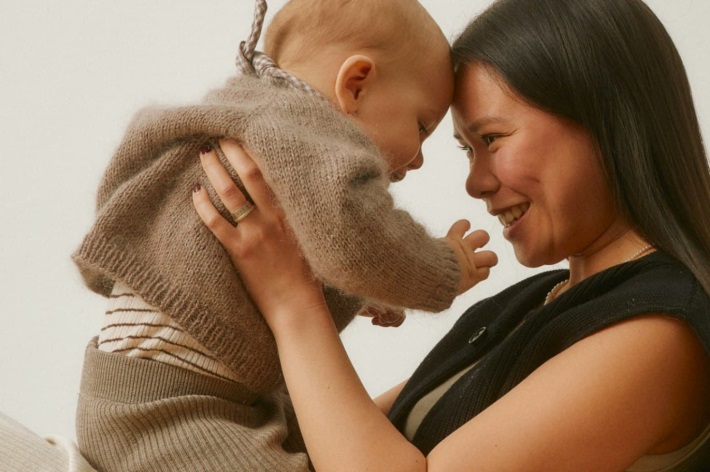
Attachment is formed through repeated, everyday interactions in which the parent shows warmth, reliability, and sensitivity. When caregivers respond to a baby’s needs consistently, comforting when the child cries, smiling back, holding them securely, the infant begins to trust that the world is safe (Bowlby, 1988). This trust becomes the emotional base from which children explore, learn, and develop. Attachment is not about being perfect; it is about being emotionally available most of the time and repairing missteps when they happen. Research shows that secure attachment supports healthier emotional regulation, social skills, and resilience later in life (Sroufe, 2005).
Source: https://raisingchildren.net.au/newborns/connecting-communicating/bonding/bonding-newborns
Babies communicate long before they can speak. They use facial expressions, movements, crying patterns, and changes in alertness to express what they need. A baby who arches their back may be uncomfortable, while a baby who roots or brings their hands to their mouth may be hungry. Learning these cues helps parents respond more effectively and reduces frustration for both parent and child. Studies emphasize that “sensitive responsiveness”, the parent’s ability to notice and interpret these signals, plays a crucial role in secure attachment and emotional development (Ainsworth et al., 1978). Over time, parents become more confident and attuned, building a deeper connection with their child.
Bonding is the emotional closeness that grows between parent and baby, especially during the first months. Simple activities such as skin-to-skin contact, gentle rocking, talking, and shared eye contact create powerful biological and emotional effects. These early experiences help regulate the baby’s stress responses, support healthy brain development, and strengthen the infant’s sense of security (Shonkoff & Phillips, 2000). Bonding is a process, not a single moment; it develops through consistent care and affectionate interactions. For young parents, knowing that small, loving gestures like holding, soothing, or singing, truly shape their baby’s development can inspire confidence and a positive start to parenting.

Source : https://www.therapiacenter.com/parentinfant-bonding-attachment