This link will open in a new tab and lead to an external website. We are not responsible for its content or availability.
 Back
Back
From the earliest days of life, babies are learning to communicate. They listen to the rhythm of their parents’ voices, watch facial expressions, and feel the emotional tone in the room. When parents talk, sing, or respond to their baby’s sounds, they stimulate the brain pathways that support both language and emotional understanding (Hart & Risley, 1995). Even simple habits, describing what you’re doing, naming emotions, or making eye contact, send a powerful message that communication is meaningful and that the child’s voice matters.
Language and emotional development grow together. A baby whose caregiver mirrors their emotions and responds sensitively begins to learn the meaning of feelings and how to manage them (Tronick, 2007). When a parent calmly acknowledges distress (“You’re hungry,” “You’re tired”), babies feel understood and safe. Over time, this emotional labeling helps children develop stronger emotional regulation skills and a more secure sense of self. Research consistently shows that responsive, back-and-forth communication even before the child speaks strongly predicts later language skills and emotional well-being (Tamis-LeMonda et al., 2001).
Source: https://healthallianceni.com/benefits-of-a-positive-parent-child-relationship/
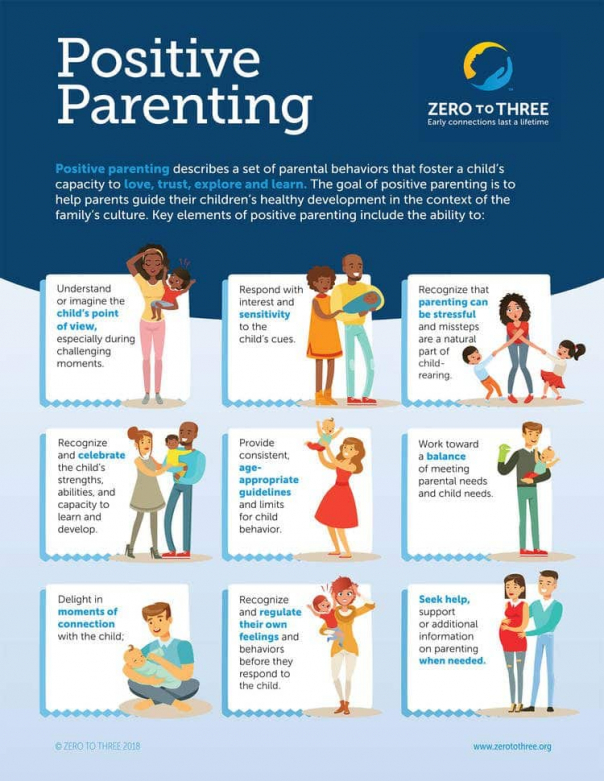
Positive discipline is not about punishment, it is about teaching. Young children thrive when parents set clear, consistent boundaries while remaining calm, respectful, and empathetic. Research shows that children who experience positive discipline, as opposed to harsh or punitive methods, develop better emotional regulation, stronger problem-solving skills, and more cooperative behavior (Gershoff & Grogan-Kaylor, 2016). Instead of asking children to obey out of fear, positive discipline teaches them why behaviors matter and how to make better choices.
Empathy lies at the heart of this approach. When parents try to understand a child’s feelings, even during conflict, they model compassion and emotional awareness. This helps children learn to recognize their own emotions and understand how their actions affect others. Techniques such as offering choices, using simple explanations, and guiding children through calming strategies help prevent escalation and build trust. Positive discipline does not eliminate mistakes; instead, it embraces them as opportunities for learning and connection.
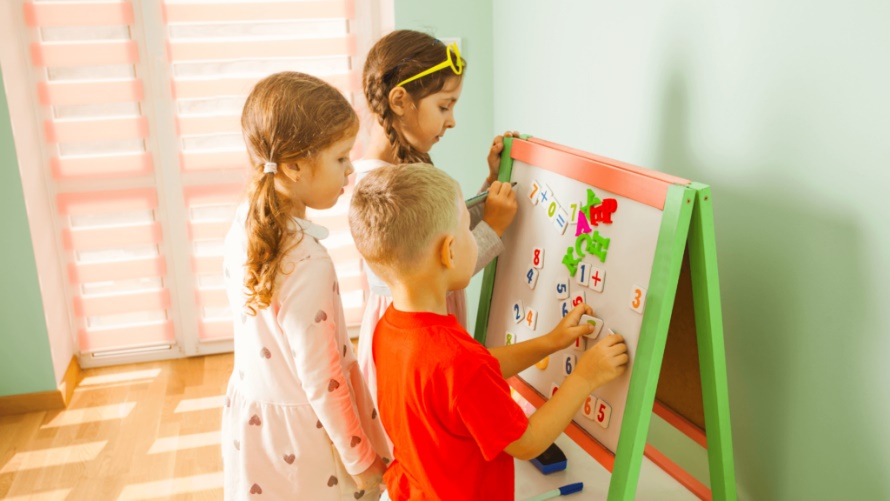
Children build confidence when they are given opportunities to try things on their own, make small decisions, and explore their abilities. Supporting autonomy means encouraging children to do tasks appropriate for their age putting on their shoes, choosing between two snacks, or helping with simple chores. These everyday moments strengthen a child’s sense of competence and independence (Deci & Ryan, 2000). When parents allow children to take small risks, at their own pace, children learn persistence and problem-solving.
Confidence also grows when parents provide encouragement rather than pressure. Praising effort (“You worked hard on that”) instead of outcome fosters a growth mindset, helping children believe they can improve with practice (Dweck, 2006). When mistakes happen and they will parents can support autonomy by validating the child’s feelings and guiding them toward trying again. This combination of freedom and emotional support cultivates children who are curious, self-assured, and willing to explore the world.
Source: https://www.lwleducation.com/blog/types-of-parenting-styles-and-effects-on-children
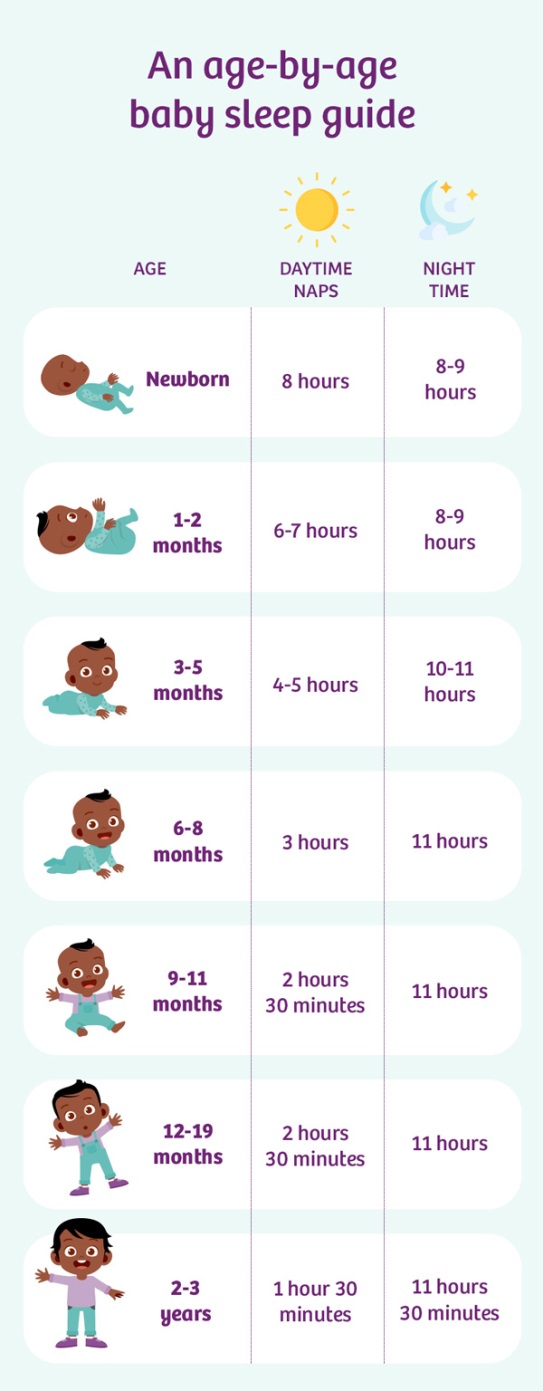
Daily routines provide children with a sense of stability and predictability, which is essential for emotional security and healthy development. When young children know what to expect, regular feeding times, consistent sleep patterns, and familiar hygiene routines, they feel more calm, confident, and able to explore their world (Ferber, 2006). These routines are not meant to be rigid schedules, but gentle patterns that help children understand that their needs will be met consistently.
Feeding routines also offer a chance for connection. Whether breastfed, bottle-fed, or transitioning to solids, babies thrive when caregivers are responsive to hunger and fullness cues. Research shows that responsive feeding supports healthy growth and reduces mealtime struggles later in childhood (Black & Aboud, 2011). Sleep routines such as quiet time, dim lights, or a short bedtime ritual help regulate the child’s internal clock and promote better sleep quality. Hygiene routines like bathing, brushing teeth, and handwashing not only protect physical health but also teach early self-care skills. All these daily rituals create meaningful moments that strengthen the parent–child relationship.
Source: https://shunchild.com/article/how-to-get-breastfed-baby-into-sleep-routine
Safety is a major concern for all parents, especially when children become mobile and curious. Babies and toddlers explore by touching, reaching, and climbing, behaviors that support learning but also increase risks. Childproofing the home is a practical way to create a safe environment in which children can explore freely. This includes covering electrical outlets, securing furniture, locking cabinets with harmful substances, and keeping small objects out of reach. The World Health Organization (WHO, 2008) emphasizes that many common injuries in young children falls, burns, and poisonings are preventable through simple safety measures.
Safety awareness goes beyond physical objects; it also involves teaching parents to anticipate potential hazards. For example, hot drinks placed near table edges, open windows without guards, or cords hanging from blinds can all pose dangers. As children grow, teaching simple rules like stopping at doorways, holding hands near roads, or not touching hot surfaces helps them develop early self-protection skills. A safe environment does not limit exploration; instead, it supports healthy curiosity without exposing children to avoidable risks.

Source: https://goloadup.com/blog/guides/how-to-babyproof-your-home/
Physical health and emotional well-being are deeply interconnected in early childhood. Young children need opportunities to move, play, and explore to develop strong muscles, coordination, and confidence. Daily physical activity whether crawling on the floor, playing outdoors, or dancing supports both physical growth and brain development (Timmons et al., 2012). Fresh air, sunlight, and free play also contribute to better sleep and mood regulation.
Emotional health grows through consistent support, affection, and responsive caregiving. When parents comfort a crying baby, offer reassurance during tantrums, or celebrate small achievements, children learn that they are loved and accepted. This emotional security lays the foundation for resilience and healthy social relationships. Research shows that children who experience warm, responsive care are more likely to develop strong coping skills and fewer behavioral difficulties (Thompson, 2014). Promoting emotional health also means taking care of parents’ well-being seeking support, resting when possible, and recognizing that parenting is challenging. A calm, supported parent is better able to support a calm, secure child.