This link will open in a new tab and lead to an external website. We are not responsible for its content or availability.
 Back
Back
Across Europe, support for parents follows a shared logic: the EU sets minimum standards for certain rights, while each Member State decides the details: how much people are paid, who qualifies, and how services (like childcare) are delivered. This is why two families in different EU countries can both “have rights” yet experience support very differently in practice.
A key reference point is the EU’s Work-Life Balance initiative and the rules connected to it. On the European Commission’s work-life balance page, the EU approach is described as a response to work-family pressures and an effort to improve gender-balanced sharing of care and reduce barriers to women’s employment.

Fig. 1 – Parent working from home - Source: https://dp4g669tqdae4.cloudfront.net/content/uploads/2020/05/iStock-1288684178-e1654294114824.jpg
From that EU framework, several minimum rights stand out:
Alongside leave entitlements, the Commission highlights the importance of protections against discrimination and dismissal for parents (including pregnant women and people returning from leave) and carers.
When it comes to childcare benefits and childcare affordability, Europe looks more diverse because childcare support is usually built through national and local systems: public childcare places, subsidies, vouchers, tax credits, fee reductions, and targeted programmes for vulnerable families.
The EU influences childcare in three main ways:
Childcare support is often where families feel the biggest “gap” between rights and reality, because even strong leave entitlements don’t solve problems like high fees, long waiting lists, or limited services in rural areas. That’s why policy awareness needs to include not just “what you are entitled to”, but also how to access childcare, where information is published, and what alternatives exist locally.
Across the EU, social protection benefits are designed to reduce the burden of life events and needs (such as raising children) through support that can be provided in cash (payments) or in kind (services).
Within that family/children function, support typically includes things like:

Fig.2 - Family planning financially – Source: https://www.adinaaba.com/post/can-you-get-financial-help-for-autism
Eurostat reports that in 2022, EU spending on family/children benefits reached €368 billion (about 2.3% of EU GDP), showing that family support is a major part of social welfare. However, the level and design of support still vary widely by country.
Because many young adults move within Europe for study, work, volunteering, or travel, a practical part of “family wellbeing” is knowing what happens if you need healthcare abroad. EU citizens can access medically necessary, state-provided healthcare during temporary stays in other countries through the European Health Insurance Card (EHIC), under the same conditions and costs as people insured there.
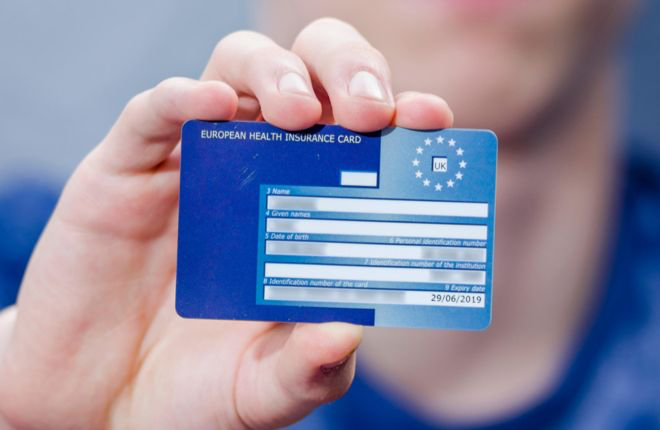
Fig. 3 – European Health Insurance Card – Source: https://nefelidiagnosticcenter.com/en/european-health-insurance-card/
The EU is also pushing improvements in care systems through initiatives like the European Care Strategy, which aims to strengthen access to quality, affordable, and accessible care services across Member States, relevant both for childcare and for longer-term family care needs.
1.3. Gender Equality and Family-Supportive Legislation
The EU promotes gender equality and supports family well-being through cross-border family law. It ensures that decisions on divorce and parental responsibility can be handled under common cross-border rules, including recognition and enforcement of judgments between Member States. It also supports cross-border enforcement of maintenance obligations through EU rules on jurisdiction, applicable law, and recognition and enforcement of decisions.
In December 2022, the European Commission proposed a regulation to facilitate the recognition of parenthood across Member States, including the creation of a European Certificate of Parenthood, to address the needs of international families and better protect children’s rights in cross-border situations.
