This link will open in a new tab and lead to an external website. We are not responsible for its content or availability.
 Back
Back
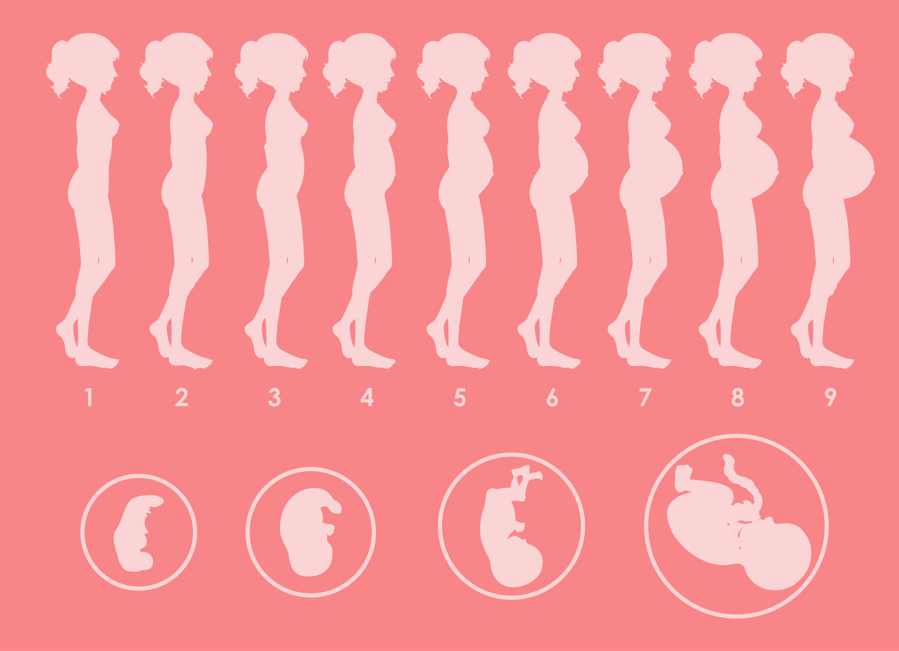
Pregnancy is a time of significant physical, emotional, and hormonal change. While every pregnancy is unique, understanding the typical stages and the changes that often occur can help you feel more prepared and reassured as your body supports your baby’s growth and development. Pregnancy is commonly divided into three stages, known as trimesters, each lasting about three months.
Many people first suspect pregnancy after missing a period. Early pregnancy may also bring symptoms such as fatigue, nausea, breast tenderness, frequent urination, mood changes, and food cravings or aversions. Some experience many symptoms, while others notice very few. All of these variations can be normal.
Hormonal changes affect nearly every system in the body, which is why pregnancy symptoms can be wide-ranging and sometimes unexpected. If symptoms become difficult to manage or interfere with daily life, it’s important to seek advice from a healthcare professional.
The first trimester is a time of rapid development for your baby and major adjustment for your body.
Common physical changes include:
During this stage, your baby’s brain, spinal cord, heart, and major organs begin to form. By the end of the first trimester, the baby has developed from an embryo into a fetus and has recognizable human features.
Emotionally, you may feel excitement, uncertainty, anxiety, or a mix of emotions. These reactions are common as you adjust to the physical changes and the idea of becoming a parent.
Many women find the second trimester more comfortable than the first. Nausea and fatigue often ease, and energy levels may improve.
Physical changes during this stage may include:
Your baby grows rapidly during this trimester, developing bones, muscles, fingerprints, and reflexes. Hearing begins, and regular sleep–wake patterns form.
Emotionally, you may feel more settled, though it’s also common to experience anxiety around screening tests or changes in body image.
The third trimester brings continued growth for your baby and increasing physical demands on your body as you prepare for birth.
Common experiences include:
Your baby gains weight quickly, organs mature, and the baby usually moves into a head-down position closer to birth. Movements may feel stronger but less frequent as space becomes limited.
Emotionally, it’s common to feel a mix of anticipation, excitement, discomfort, and worry about labour and birth.
Alongside physical changes, pregnancy often brings emotional ups and downs. Hormonal shifts, fatigue, and life changes can contribute to mood swings, anxiety, or low mood. While many emotional changes are normal, ongoing sadness, anxiety, or feelings of being overwhelmed may indicate depression or anxiety during pregnancy and should be discussed with a healthcare provider.
Understanding the stages of pregnancy and the physical changes that occur can help you recognise what is normal, know when to seek support, and feel more confident as your body adapts to support your growing baby.
Sources:
https://womenshealth.gov/pregnancy/youre-pregnant-now-what/stages-pregnancy
https://www.betterhealth.vic.gov.au/health/healthyliving/pregnancy-stages-and-changes
Developing healthy habits during pregnancy supports your wellbeing and helps your baby grow and develop. Small, consistent choices around nutrition, physical activity, and healthcare can make a meaningful difference throughout each stage of pregnancy.
A balanced, varied diet is essential during pregnancy. You do not need a special diet or to “eat for two,” but you do need the right mix of nutrients to support both you and your baby.

Key principles of a healthy pregnancy diet include:
Fruit and vegetables
Aim for at least five portions each day. These provide essential vitamins, minerals, and fibre to support digestion and help prevent constipation. Fresh, frozen, canned, dried, and juiced options all count—just be sure to wash fresh produce well.
Starchy carbohydrates
Foods such as bread, rice, pasta, potatoes, oats, and cereals provide energy and fibre. Choose wholegrain or higher-fibre options when possible, and aim for these foods to make up about one-third of your meals.
Protein-rich foods
Protein supports your baby’s growth. Include foods such as beans, lentils, eggs, fish, lean meat, poultry, nuts, and seeds each day. Fish is particularly beneficial, but limit oily fish to no more than two portions per week and avoid high-mercury fish such as shark, swordfish, and marlin.
Dairy and alternatives
Milk, yoghurt, cheese, and fortified dairy alternatives provide calcium and other nutrients important for bone development. Choose lower-fat options where possible and avoid unpasteurised cheeses.
Foods to limit
Foods high in fat, sugar, or salt should be eaten less often and in smaller amounts. These include sugary drinks, pastries, crisps, and sweets.
Healthy snacks
If you need snacks between meals, choose nourishing options such as fruit, yoghurt, wholegrain toast, soups, or small sandwiches with lean protein.
Food safety
Good food hygiene is especially important in pregnancy. Wash hands and surfaces thoroughly, keep raw and cooked foods separate, cook meat and eggs well, and follow guidance on foods to avoid during pregnancy to reduce the risk of infection.
Staying active during pregnancy can improve energy levels, mood, sleep, and overall comfort. Gentle, regular movement also supports circulation and can help prepare your body for birth.
Safe activities often include:
Listen to your body, avoid activities with a high risk of falling or injury, and stop if you feel pain, dizziness, or shortness of breath. Always check with your healthcare professional if you are unsure what level of activity is right for you.
Regular antenatal care is a key part of a healthy pregnancy. Medical check-ups help monitor your health and your baby’s development, identify potential concerns early, and provide opportunities for guidance and support.
Medical care during pregnancy may include:
Always seek medical advice if you experience symptoms that are severe, sudden, or concerning, such as heavy bleeding, severe pain, persistent vomiting, or sudden swelling.
Healthy habits during pregnancy are about balance, not perfection. Eating well, staying gently active, and attending regular medical appointments can help you feel more confident and supported as your body changes and your baby grows.
Source:
https://www.nhs.uk/pregnancy/keeping-well/have-a-healthy-diet/
Pregnancy brings many changes to your body, and it’s common to experience a range of aches, discomforts, and minor health issues along the way. Most of these are a normal part of pregnancy, but it’s important to know how to manage them and recognise when you may need medical advice or support.

Constipation
Hormonal changes can slow digestion, leading to constipation, sometimes early in pregnancy. Eating high-fibre foods, drinking plenty of water, and staying active can help. If iron supplements worsen constipation, speak to your healthcare provider about alternatives.
Cramp
Leg and foot cramps, especially at night, are common. Gentle exercise, stretching, and foot movements can improve circulation and reduce cramps. Pulling your toes towards your ankle or massaging the muscle may help relieve pain during a cramp.
Feeling Faint or Dizzy
You may feel lightheaded due to hormonal changes affecting blood flow. Standing up slowly, avoiding lying flat on your back in later pregnancy, and sitting or lying on your side if you feel faint can help reduce symptoms.
Feeling Hot and Sweaty
Many pregnant people feel warmer than usual because of increased blood flow and hormonal changes. Wearing loose clothing, keeping rooms cool, and staying hydrated can help you feel more comfortable.
Incontinence
Leaking urine when coughing, laughing, or sneezing is common during pregnancy. This happens as pelvic floor muscles relax. Pelvic floor exercises can help strengthen these muscles. If leakage becomes bothersome, discuss it with your midwife or doctor.
Frequent Urination
Needing to urinate often is common throughout pregnancy. In early pregnancy, hormones play a role, while later the baby’s position puts pressure on the bladder. If urination is painful or you notice blood in your urine, seek medical advice as this may indicate an infection.
Skin Changes
Darkening of nipples, patches of skin, freckles, or a line down the abdomen can occur due to hormonal changes. These changes usually fade after birth. Your skin may also be more sensitive to the sun, so sun protection is important.
Varicose Veins
Swollen veins in the legs or vulva may develop due to increased blood volume and pressure. Elevating your legs, avoiding long periods of standing or sitting, staying active, and wearing compression stockings can help ease discomfort.
While most pregnancy discomforts are normal, you should contact your healthcare provider if:
Source:
https://www.nhs.uk/pregnancy/common-symptoms/common-health-problems/