
This link will open in a new tab and lead to an external website. We are not responsible for its content or availability.
 Back
Back
Regular antenatal check-ups and screenings play a vital role in keeping both you and your baby healthy throughout pregnancy. These appointments allow your healthcare team to monitor how your pregnancy is progressing, identify potential concerns early, and provide the right care and advice at each stage.
During pregnancy, your body goes through many changes that may not always cause noticeable symptoms. Routine check-ups help track important indicators such as your weight, blood pressure, and urine results, which can reveal early signs of conditions like infections, anaemia, or pre-eclampsia.
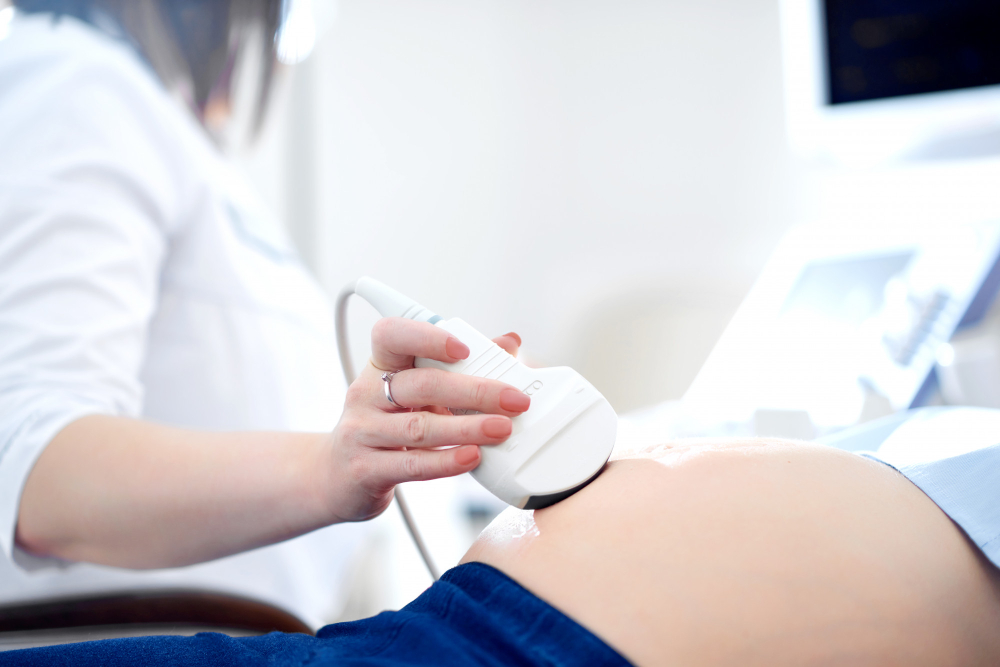
Ultrasound scans and blood tests help assess your baby’s growth and development, confirm due dates, and check for certain conditions. These tests are designed to support a safer pregnancy and ensure that any concerns are identified as early as possible.
Screening tests can identify conditions that may affect your health or your baby’s wellbeing, including:
If you are identified as being at higher risk for certain conditions, your healthcare provider may recommend additional tests or monitoring to support you and your baby.
All antenatal tests and screenings are optional. Your healthcare team will explain the purpose of each test, what it involves, and what the results may mean. This allows you to make informed decisions about your care and ask questions if you are unsure or concerned.
Even if you choose not to have certain tests, attending regular check-ups remains important so that your overall health and your baby’s development can still be monitored.
Antenatal appointments are also an opportunity to discuss physical symptoms, emotional wellbeing, lifestyle habits, and any worries you may have. Regular contact with your maternity team helps build trust, provides reassurance, and ensures you receive timely advice and support.
Regular check-ups and screenings are a key part of a healthy pregnancy. They help identify potential issues early, guide appropriate care, and give you confidence that you and your baby are being well supported throughout your pregnancy journey.
Source:
https://www.nhs.uk/pregnancy/your-pregnancy-care/antenatal-checks-and-tests/
Pregnancy is a time of significant emotional change. Alongside physical changes, it’s normal to experience a wide range of feelings, from excitement and joy to worry, fear, or feeling overwhelmed. Emotional ups and downs are a natural part of adjusting to pregnancy and preparing for life as a parent.

Becoming pregnant brings major life changes that can affect your mood and mental wellbeing. You may find yourself worrying about:
These worries are common, and emotional highs and lows can come and go quickly. Partners and expectant parents of all genders may experience similar feelings.
Some people experience mental health conditions for the first time during pregnancy, including:
Mental health difficulties during pregnancy are more common than many realise. Experiencing them does not mean you are failing or doing anything wrong.
Sharing how you feel can make a significant difference. Talking with a trusted friend, family member, or partner can help ease worries and reduce feelings of isolation.
If you begin to feel persistently low, anxious, or overwhelmed, speak to your midwife or doctor as early as possible. Early support greatly improves recovery and helps protect both your wellbeing and your baby’s development.
During antenatal appointments, you may be asked about your emotional wellbeing through conversations or short questionnaires. These checks are designed to identify whether additional support may be helpful.
There are practical steps you can take to support your mental health during pregnancy:
If you are dealing with additional pressures such as financial stress or limited support, it’s especially important to let your healthcare team know so they can guide you to appropriate resources.
If you are pregnant and on your own, or feel particularly isolated, additional support can help. Friends, family, healthcare professionals, and community organisations can offer both practical help and emotional reassurance.
If you have a history of mental health conditions, including eating disorders, bipolar disorder, postpartum psychosis, or a previous traumatic birth, inform your midwife. This allows your care team to put extra support in place and reduce the risk of difficulties during or after pregnancy.
If you or your partner are concerned about your safety or the safety of your baby, seek help immediately by contacting your midwife, GP, or emergency health services.
Emotional wellbeing is just as important as physical health during pregnancy. With the right support, understanding, and care, most people are able to manage emotional challenges and feel more confident as they prepare to welcome their baby.
Source:
Pregnancy is a shared journey, even though one person is carrying the baby. Actively involving partners can strengthen relationships, improve emotional wellbeing, and help both parents feel more confident and prepared for birth and parenthood.

Partners may sometimes feel unsure of their role during pregnancy or left out as attention naturally focuses on the pregnant person. Being involved helps partners:
Open communication and shared experiences can make pregnancy feel like a true team effort.
Partners can take an active role throughout pregnancy by:
These shared activities help partners feel included and prepared while strengthening your bond.
Pregnancy can bring excitement, worry, and uncertainty for both partners. Honest communication is essential. Talking openly about fears, expectations, and hopes helps both people feel supported and understood.
Partners may also experience anxiety or emotional changes. Encouraging each other to talk and seek support when needed benefits the whole family.
Amid preparations for the baby, it’s important to nurture your relationship. Spending quality time together, sharing decisions, and supporting one another emotionally can help build a strong foundation before your baby arrives.
Sources:
https://www.tommys.org/pregnancy-information/dads-and-partners/getting-involved-in-the-pregnancy
https://www.twincitiesbc.com/blog/15-ways-to-involve-your-partner-in-your-pregnancy