This link will open in a new tab and lead to an external website. We are not responsible for its content or availability.
 Back
Back
Recovery after birth takes time and looks different for every family. Giving birth—especially for the first time—can be physically demanding and emotionally intense. While the early days with your baby can be filled with joy and wonder, it is also common to experience exhaustion, discomfort, and emotional ups and downs. Understanding this in advance can help you set realistic expectations and be kinder to yourself during recovery.
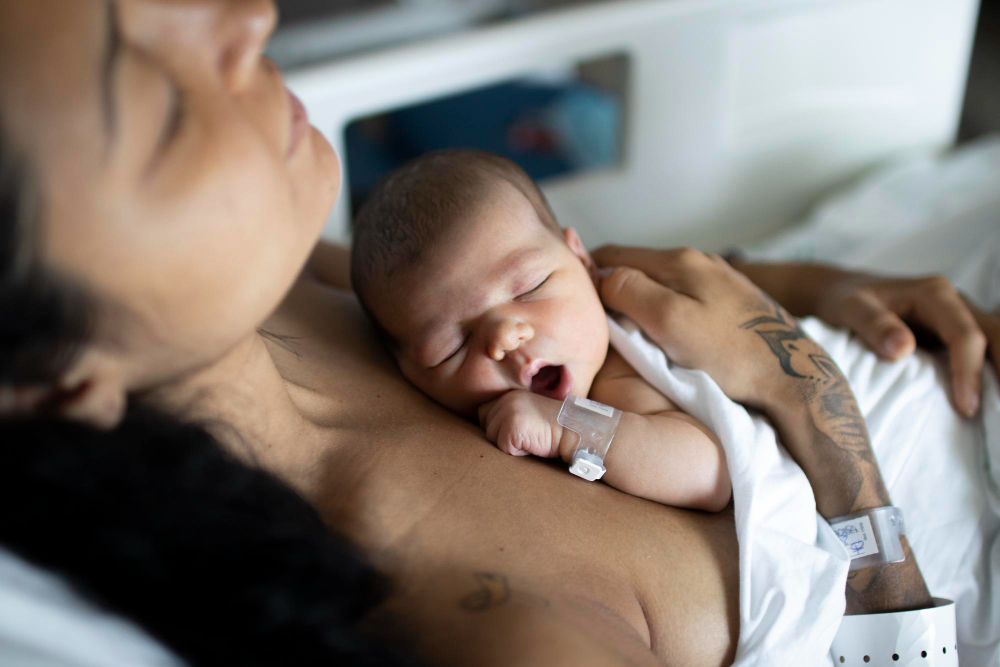
After birth, your body needs time to heal and adjust. Physical recovery varies widely and may take hours, days, weeks, or even months, depending on the type of birth and whether there were complications or a traumatic experience.
You may experience:
Partners may also feel physically drained after the birth experience, particularly due to long labours, disrupted sleep, and the emotional intensity of supporting the birthing parent.
Giving yourself permission to rest and recover is essential. Healing is not something to rush.
Rest plays a crucial role in both physical and emotional recovery. Whenever possible:
If you have other children, arranging additional support in the early days can help you conserve energy and adjust to life with a new baby.
Alongside physical healing, emotional recovery is just as important. The early weeks after birth can bring a wide range of emotions, including happiness, relief, vulnerability, overwhelm, or emotional sensitivity. These feelings are normal as you adjust to major hormonal changes, sleep disruption, and the responsibilities of caring for a newborn.
Both parents may feel emotionally exhausted or stressed during this time. Open communication and mutual support can help you navigate these changes together.
Many women experience a temporary emotional response known as the baby blues in the first few days after birth, usually between days three and five. This may include:
The baby blues are very common and affect up to 80% of women. These feelings are linked to sudden hormonal changes after birth and usually resolve within a few days with rest, reassurance, and support.
If emotional distress continues beyond the first week or becomes more intense rather than easing, it may be a sign of postnatal depression or postnatal anxiety. Seeking help early is important and can lead to faster recovery and better outcomes for both parents and baby.
Reach out to a healthcare professional if:
Physical and emotional recovery after birth is a process, not a single moment. Be patient with yourself, accept help when it is offered, and remember that needing time and support does not mean you are failing—it means you are recovering from one of life’s most significant experiences.
With rest, understanding, and the right support, recovery becomes more manageable, allowing you to gradually regain strength and confidence in your new role as a parent.
Source:
https://www.cope.org.au/birth/recovering-from-birth
The first days and weeks with your newborn are a time of learning, adjustment, and bonding. Understanding the basics of feeding, sleep, and hygiene can help you feel more confident and supported as you settle into your new routine with your baby.
Feeding is essential for your baby’s growth, development, and comfort. Whether you choose breastfeeding, formula feeding, or a combination of both, the most important thing is that your baby is well nourished and gaining weight.
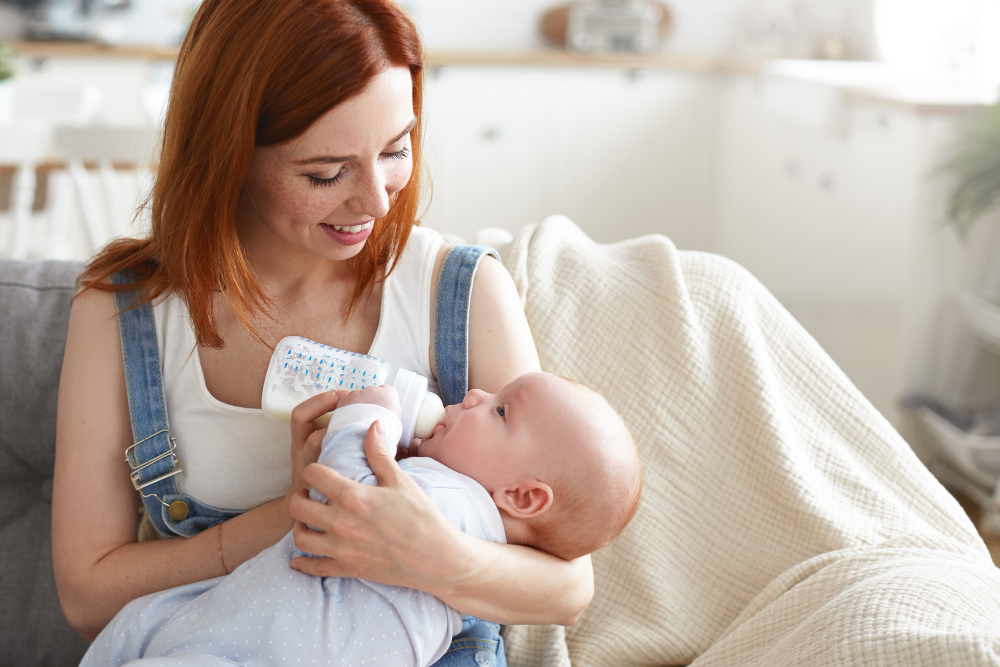
In the early weeks:
Age of baby | Average Amount of Breast Milk or Formula per Feeding | Expected Number of Feedings per Day |
Newborn | 1-2 ounces | 8-12 feedings |
2 weeks | 2-3 ounces | 8-12 feedings |
1 month | 3-4 ounces | 8-10 feedings |
2 months | 4-5 ounces | 6-8 feedings |
4 months | 4-6 ounces | 6-8 feedings |
6-12 months | 7-8 ounces | 4-6 feedings |
1 ounce = 28,35 grams | ||
Every baby is different, and feeding patterns will change as your baby grows. Feeding can sometimes come with challenges, and this is normal. Support from midwives, nurses, or lactation consultants can be very helpful if you have questions about feeding techniques, milk supply, or feeding cues.
Newborns sleep a lot, but not always for long stretches. Creating a safe sleep environment is essential for your baby’s wellbeing and helps reduce the risk of Sudden Infant Death Syndrome (SIDS).
Safe sleep practices include:
Newborn sleep patterns will be irregular at first. Over time, your baby will begin to develop longer and more predictable sleep periods.
Your baby’s skin is delicate, and gentle care is important.
Bathing
Avoid using lotions or oils unless advised, as these can sometimes irritate newborn skin.
Nappy and skin care
Nail care
Conditions such as nappy rash, cradle cap, and dry skin are common in newborns. If you have concerns or notice persistent irritation, your healthcare provider can offer guidance and reassurance.
Source:
https://www.dulyhealthandcare.com/newborn-care-essentials
Postnatal depression is a common and serious mental health condition that can affect parents after the birth of a baby. It is more than feeling tired or emotional in the early days of parenthood and, without support, symptoms can persist and impact both the parent and their family. Recognising the signs early and seeking help can lead to effective treatment and recovery.
Postnatal depression is a type of depression that can begin at any time within the first year after giving birth. It affects more than 1 in 10 women and can also affect fathers and partners. Depression during pregnancy (antenatal depression) is also common, and symptoms may continue into the postnatal period.
Postnatal depression is an illness, not a personal failing. With the right support, most people recover fully.
Many women experience mood changes known as the baby blues in the first week after birth. These can include tearfulness, mood swings, and anxiety and are considered a normal response to hormonal changes and exhaustion. The baby blues usually settle within two weeks.
If symptoms last longer than two weeks, start later, or become more intense, this may be postnatal depression.
Postnatal depression can develop gradually, making it hard to recognise. Common signs include:
If you or someone close to you notices these signs, it is important to seek support.
If you think you may be experiencing postnatal depression, speak to a GP, midwife, or health visitor as soon as possible. Many maternity and community health professionals are trained to recognise postnatal depression and can help you access appropriate care.
Remember:
Effective treatments for postnatal depression include:
Self-help and lifestyle support
Talking therapies
Medication
Community and specialist support
Postnatal depression can be triggered by many factors, including:
If you have a history of mental health concerns, speak with your GP or midwife during pregnancy so additional support can be arranged early.
There are many misconceptions about postnatal depression. It is just as serious as other forms of depression, is not caused by hormones alone, and does not simply “go away” without support. It can affect all parents, including fathers and partners.